




























Petrol and Diesel Prices Increased Across India Over Global Oil Concerns
Petrol and diesel prices rise across India amid global oil concerns, increasing transport and daily living costs.

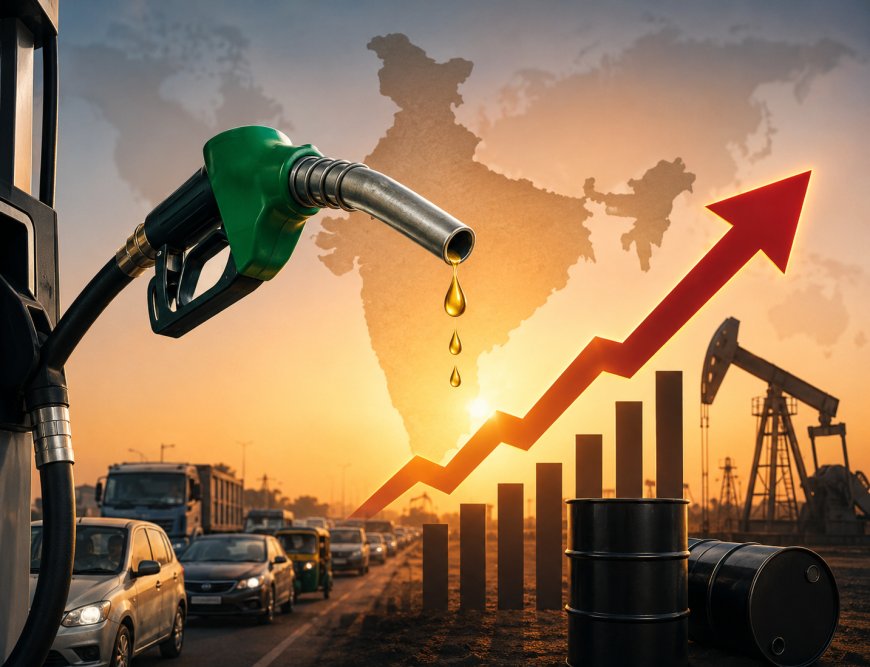


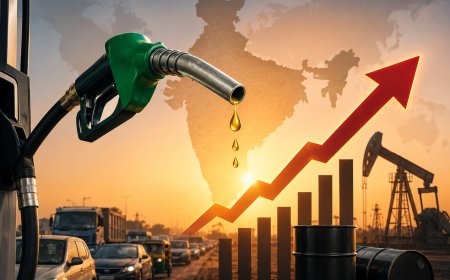
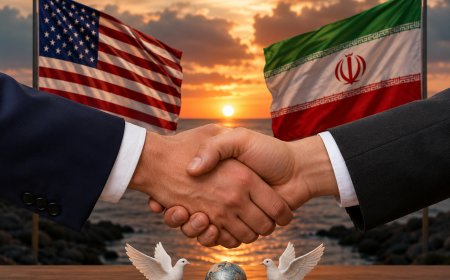
Fuel prices have been hiked by the government by ₹3 per liter in the whole of India owing to the increasing cost of crude oil globally due to conflicts taking place involving Iran in West Asia. The increase has taken effect and is already affecting transportation charges and business operations in general.
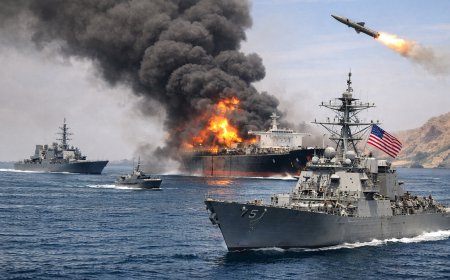
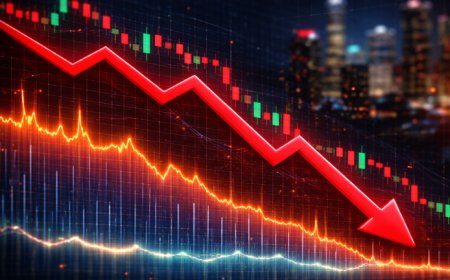
This is the first substantial hike in fuel prices after four long years, and this is happening during a period when the oil market is very volatile. Oil prices were at the $120 mark per barrel but have stabilized within the $100-$105 region. Specialists agree that the volatility of oil prices has largely been caused by disputes around the Strait of Hormuz, an extremely significant area in oil transportation.
As per revised rates, petrol in Delhi is now available at ₹97.77 a litre, whereas diesel is priced at ₹90.67 a litre. There has been a hike in price in other metros as well, like Mumbai, Kolkata, and Chennai. Petrol rates in Kolkata have touched the ₹108 mark, making it one of the costliest metro cities for fuel in India.
Apart from petrol and diesel, there is a rise in CNG prices as well across certain regions like Delhi NCR and Mumbai by around ₹2 per kg. This will definitely impact cab services, transportation systems, and deliveries.
Government and OMCs have justified the rise in prices by citing huge financial losses incurred over the past few weeks. It is said that the Indian state-owned fuel companies, Indian Oil Corporation, Bharat Petroleum Corporation Limited, and Hindustan Petroleum Corporation Limited, were incurring heavy losses on a daily basis because of the difference in crude oil price globally and in India.
What is more intriguing about this entire scenario is that only a few weeks back, the government had reassured the citizens that there were no immediate plans to increase petrol and diesel prices despite the Iran crisis. But as the international scenario worsened and prices of oil rose, keeping the prices unchanged became quite challenging for OMCs.
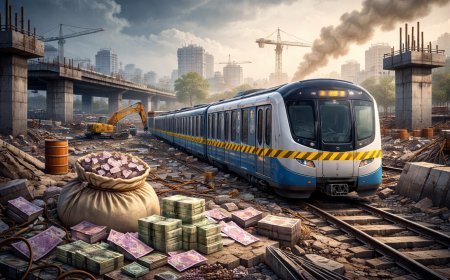
According to the economists, the current increase in the petrol and diesel prices will add further pressure on inflation in India. As fuel prices influence the cost of transporting vegetables, groceries, consumer goods, and even home deliveries through online shopping platforms, one can expect higher costs within several weeks. This hike will primarily hit small enterprises and the middle class.
The automobile industry might face difficulties, too, due to increased expenses. Businesses have already informed their stakeholders about the possibility of decreased profits due to higher costs of fuels, metals, cargo services, and raw materials. Increased petrol and diesel prices will adversely affect car sales, particularly the entry-level models, which are usually affordable.
Some political responses were also registered soon after the government's decision. The opposition blamed the administration for placing an extra burden on citizens suffering from inflation and high living expenses. In turn, the government officials explained the necessity of such measures as a result of extraordinary global conditions.
It is suggested that if the situation in the West Asia region persists and the cost of crude oil stays high, it is possible that the price of fuels could see more increases in the coming days. India sources approximately 85-90 percent of its needs for crude oil from other nations, thereby making the nation highly reliant on the global market for fuels.
Currently, all citizens of India are bracing themselves for higher costs in their daily lives due to the increase in fuel prices.
What's Your Reaction?
 Like
0
Like
0
 Dislike
0
Dislike
0
 Love
0
Love
0
 Funny
0
Funny
0
 Angry
0
Angry
0
 Sad
0
Sad
0
 Wow
0
Wow
0