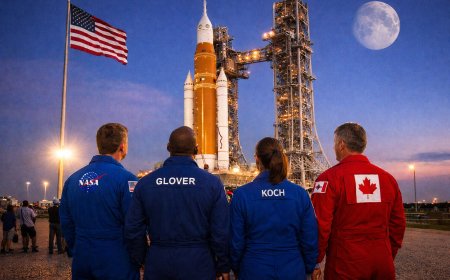






































The Overview Effect: Why Astronauts Cry When They See Earth from Space
Discover the Overview Effect — the powerful shift astronauts experience seeing Earth from space. Learn the science behind awe and why it changes them forever.

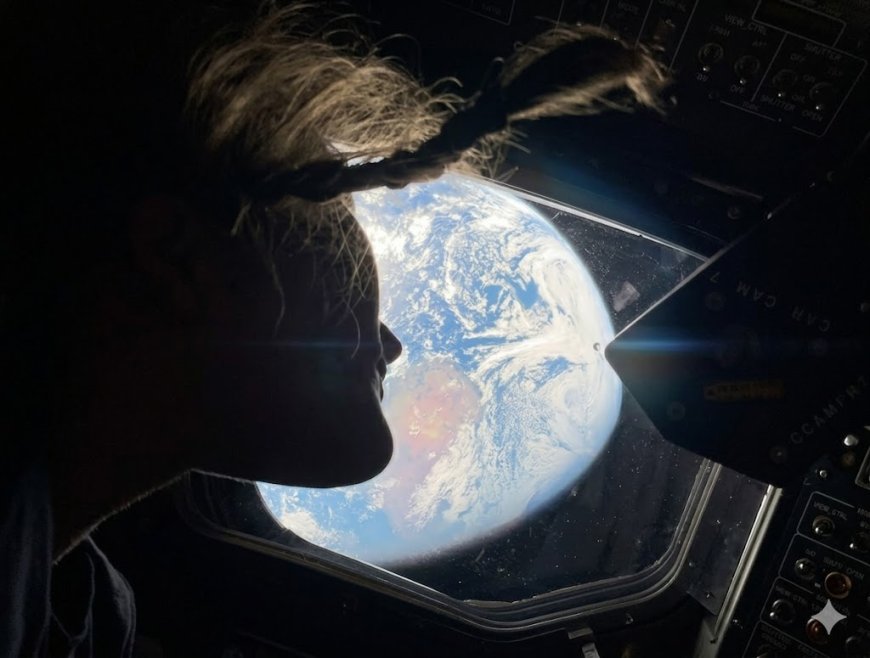


The Overview Effect is the name given to the profound mental transformation undergone by astronauts during their space mission when they look at planet Earth. The astronauts of the Artemis II mission experienced the overview effect more powerfully than any other astronauts in over half a century. Commander Reid Wiseman spoke about the mental impact of seeing the far side of the Moon. Christina Koch explained how the capsule would make you forget your surroundings, except when you gazed out the windows. Victor Glover compared the view of the Moon's terminator to the view of the Grand Canyon, but in outer space.
When Awe Silences the Selfish Brain
The Overview Effect was a concept developed by Frank White in his book, written in 1987, wherein he interviewed astronauts who came back from outer space with a whole new perspective on our planet, on borders, and even on war among humans. However, science has also proven that it is not simply a beautiful concept. According to research conducted by psychologist David Yaden in 2016, the state of "awe," or an encounter with a larger-than-life phenomenon, can actually reduce the activity of the "self-chatter" area of the brain. This means that a person can stop thinking about themselves and get connected with the grandiosity of the universe around them.

From Space, Earth Humbles Every Astronaut
And Edgar Mitchell, the Apollo 14 astronaut, said it all: Politics on Earth from the lunar orbit seemed utterly petty, giving way to immediate awareness of world consciousness and a strong urge to improve the world. Ron Garan, an astronaut with NASA who saw the Earth from the International Space Station, witnessed its stunning beauty, fragility, and vulnerability, and felt a deep sadness for the pain experienced on Earth. This is not an isolated incident. Psychologist David Yaden and his colleagues at the University of Pennsylvania carried out thorough research into this phenomenon, proving the Overview Effect as a powerful experience among astronauts.
Earth Shrinks, But Meaning Grows Larger
Viewing our planet from the International Space Station is an entirely different experience than seeing it from the Artemis II crew's perspective, where it still looks immense and reassuring, sitting right there at only 400 kilometers away. At such a distant point, Earth would only be considered a glowing ball of light floating amidst nothingness—without any borders, lines, or markings created by mankind. In the scientific world, such a cognitive phenomenon is called a 'perceptual reframing,' which essentially means that our minds have to reconstruct their entire perception of the concept of 'home.' This phenomenon can be clearly seen in the words of Christina Koch, who describes how Orion may have felt cozy and familiar until she looked out of the window.
Carrying Tomorrow's Hope Back to Earth
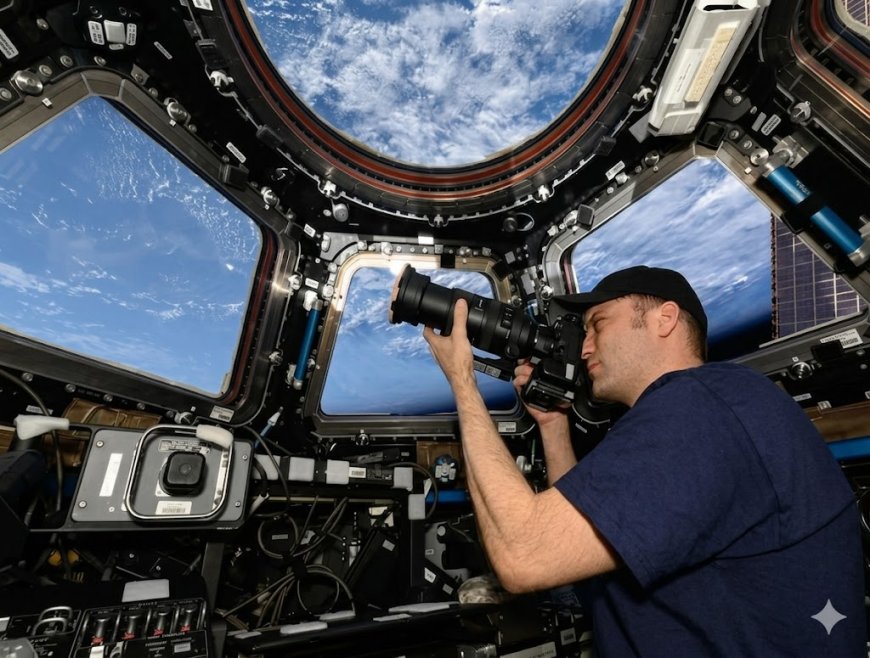
The Overview Effect is not a passing feeling but a transformational shift in the way the brain interprets everything humans pursue, according to Yaden and his team. As Edgar Mitchell put it decades ago, looking at Earth from the Moon makes humans realize that the planet is a small ball that is highly vulnerable to whatever happens to it and to one another, and this consideration should weigh much more heavily on the decision-making process than it usually does. The crew members of Artemis II bring back these items from their space voyage, along with tangible batons purchased specifically for transferring them to the next mission crew because everything they accomplished up there was achieved for the sake of those who will be there in the future.
What's Your Reaction?
 Like
0
Like
0
 Dislike
0
Dislike
0
 Love
0
Love
0
 Funny
0
Funny
0
 Angry
0
Angry
0
 Sad
0
Sad
0
 Wow
0
Wow
0