
































World's Most Critical Oil Chokepoint Just Became a Battleground — Here's What Happened
The US Navy seized an Iranian-flagged ship near the Strait of Hormuz, closing the world's most vital oil route. Here's everything you need to know.

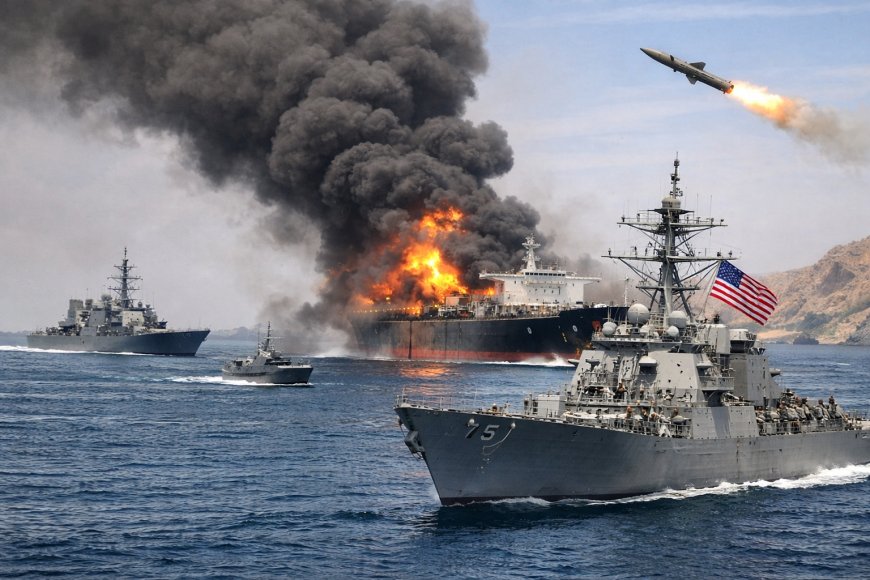


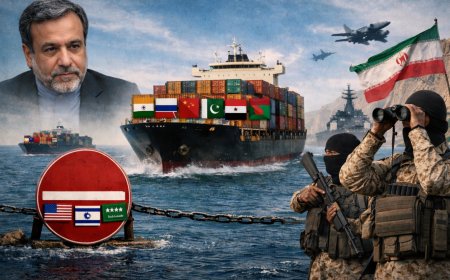
Tension between Washington and Tehran escalated sharply over the weekend when the US Navy fired upon and boarded an Iranian-flagged cargo ship in the Gulf of Oman—the first seizure since America announced a naval blockade of Iranian ports near the Strait of Hormuz. The incident has pushed an already fragile ceasefire to its breaking point, with Iran vowing swift retaliation and pulling out of scheduled peace talks with the US, which had been slated to be held in Islamabad.
What the US Said
According to US Central Command (CENTCOM), the guided-missile destroyer USS Spruance intercepted a vessel named Touska as it transited the north Arabian Sea en route to Bandar Abbas in Iran. CENTCOM stated that US forces issued multiple warnings to the Iranian-flagged vessel, informing its crew that it was violating the US blockade. After the Tuskers' crew failed to comply with repeated warnings over six hours, the Spruance ordered the vessel to evacuate its engine room. The destroyer then disabled the ship's propulsion by firing several rounds from its 5-inch MK 45 gun directly into the Touska's engine room. US Marines from the 31st Marine Expeditionary Unit subsequently boarded the non-compliant vessel, which remains in US custody. CENTCOM also shared a video of the operation, showing the USS Spruance warning the Touska to stop before opening fire.
Trump's Statement
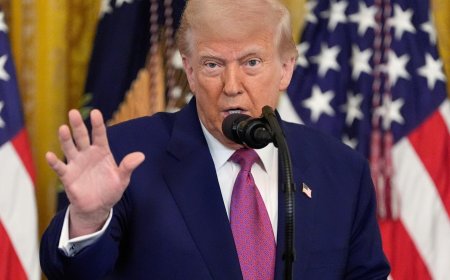
US President Donald Trump posted on his Truth Social platform that the Iranian-flagged cargo ship—nearly 900 feet long and weighing almost as much as an aircraft carrier—attempted to breach the US naval blockade, and it did not go well for them. Trump said US forces gave fair warning to the ship to stop, which was ignored, and so the Navy stopped them right in their tracks by blowing a hole in the engine room. He further stated that the Touska is under US Treasury sanctions because of its prior history of illegal activity and that US forces have full custody of the ship and are examining what is on board.
Iran's Response
Iran condemned the boarding as a direct violation of the ongoing ceasefire, labeling the operation an act of armed piracy and promising to retaliate soon. In a significant diplomatic blow, Tehran also refused to participate in the second round of peace talks with the US, which had been slated to be held in Islamabad. The two-week ceasefire between the two nations is set to expire on April 22, with no new talks on the horizon and both sides hardening their positions.
Blockade at Hormuz
The critical shipping route through the Strait of Hormuz remained closed on Monday amid widespread confusion over the weekend about whether tankers could transit the strait. Tehran had initially signaled that ships could pass through Hormuz, only to abruptly halt almost all traffic less than 24 hours later. During peacetime, about a fifth of the global oil supply passes through Hormuz, making the closure a direct threat to energy markets worldwide.
Nuclear Standoff and Escalating Threats
Trump has meanwhile threatened to destroy every power plant and bridge in Iran if Tehran fails to negotiate a deal soon. Iranians have denied conceding to several of the points the US president has said are part of the plan, including the end of their nuclear program and handing over stockpiles of enriched uranium to the US. With the ceasefire deadline looming and diplomacy at a standstill, the seizure of the Touska in the Gulf of Oman may prove to be far more than a single incident at sea—it could mark the beginning of a far deeper confrontation between Washington and Tehran.
What's Your Reaction?
 Like
0
Like
0
 Dislike
0
Dislike
0
 Love
0
Love
0
 Funny
0
Funny
0
 Angry
0
Angry
0
 Sad
0
Sad
0
 Wow
0
Wow
0