



































Lyrid Meteor Shower 2026: A Spectacular Night Sky Show You Shouldn’t Miss
The Lyrid Meteor Shower 2026 is here! Discover peak viewing times, best locations, and expert tips to catch fireballs and shooting stars lighting up the night sky this spring.

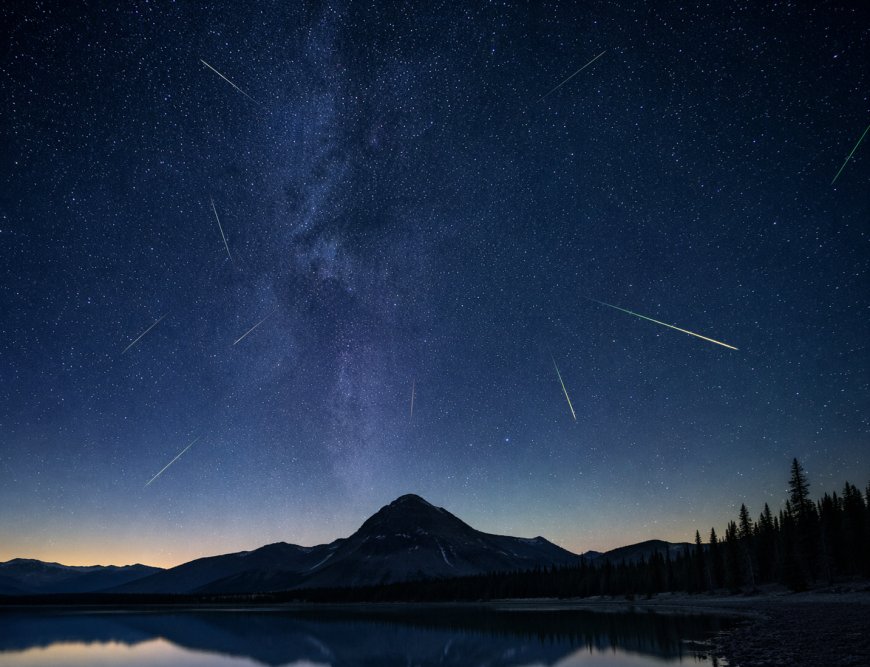


The Lyrid meteor shower provided a spectacular view in the April skies of 2026 as stargazers all over the globe got a chance to witness this astronomical phenomenon in its full glory. The Lyrid meteor shower is famous for its dazzling streaks and fireballs and never fails to mesmerize people watching it.
What is the Lyrid Meteor Shower?
The Lyrid meteor shower is among the earliest documented events in the history of astronomy, with records going back more than 2,500 years. This phenomenon happens every year in April when our planet crosses the path of dust trails generated by Comet Thatcher. Due to the friction between the small particles and the Earth's atmosphere, they disintegrate in the atmosphere, producing luminous paths that we commonly refer to as shooting stars. The meteors can sometimes produce exceptionally bright lights, known as fireballs.
When Did It Peak in 2026?
The Lyrid meteor shower took place in the year 2026 from April 16th through April 25th, with its peak being observed from night on April 22nd to early morning on April 23rd. The optimal time for observing the shower would have been late nights and early mornings, especially late at night when it would be dark outside. Under perfect circumstances, it should have been possible to see 10-20 meteors per hour, and at times, much more due to outbursts.
Why This Year Was Special
However, the Lyrid meteor shower of 2026 became special because of the ideal conditions under which the astronomical event occurred. First, the absence of the moon's glow led to dark skies, providing an opportunity to spot the least visible shooting stars. Moreover, the Lyrids have been known for their high speeds and fireballs. Therefore, the absence of clouds in some places also played a significant role.
Where and How to Watch
Among the advantages of the Lyrid Meteor Shower is the fact that it can be viewed from anywhere in the Northern Hemisphere, which includes the UK and India.
Here are some simple tips that can help you enjoy the Lyrid meteor shower better:
-
Choose an area far from artificial light sources
-
View the entire night sky, rather than focusing on a single point
-
Wait 15 to 30 minutes before your eyes adjust to the night
-
Stay away from electronic devices such as smartphones during the view
There’s no need for expensive tools such as telescopes and binoculars; simply use your naked eyes.
Where Do the Meteors Come From?
Lyrids meteors originate due to the debris of dust that was lost from the periodic comet C/1861 G1 Thatcher, whose orbit takes it around the sun every 400 years or so. When the Earth passes through the orbit where these celestial bodies reside each year, the debris falls into our atmosphere causing a meteor shower, and it appears to originate near the constellation of Lyra and its prominent star, Vega.
A Timeless Celestial Event
The Lyrid meteor shower continues to amaze stargazers year in and year out because of its rich past and sporadic display of bright fireballs. If you failed to witness this year's peak show, don't be disappointed since the Lyrids will make their reappearance in April next year. Until that time, keep your eyes open since there is always something amazing in store from the cosmos.
What's Your Reaction?
 Like
0
Like
0
 Dislike
0
Dislike
0
 Love
0
Love
0
 Funny
0
Funny
0
 Angry
0
Angry
0
 Sad
0
Sad
0
 Wow
0
Wow
0