































Israel-Iran War Update: Pentagon Warns of Strong Response to Iranian Threats
Israel-Iran tensions escalate as military threats, missile activity, and diplomatic efforts shape a critical phase in Middle East security.

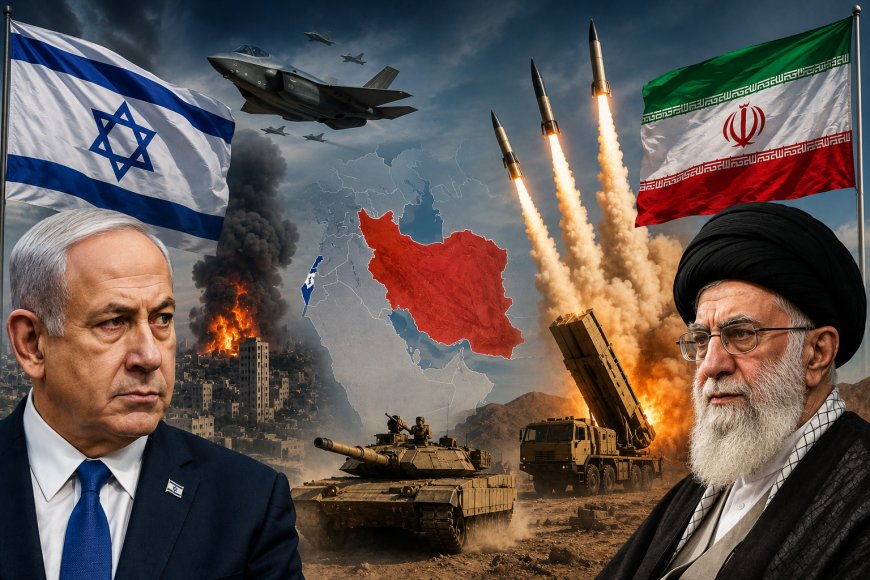


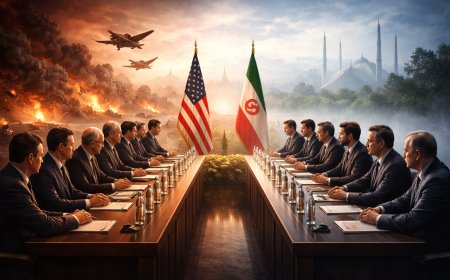
The ongoing tensions between Israel, Iran, and the United States have entered a critical phase as Washington issued a fresh warning to Tehran over growing security concerns in the Middle East.
Speaking at the Shangri-La Dialogue security summit in Singapore, U.S. Defense Secretary Pete Hegseth stated that the United States remains fully prepared to respond if Iran takes actions that threaten regional stability or undermine ongoing diplomatic efforts. He emphasized that the U.S. military possesses the resources, strategic readiness, and operational capability to react swiftly to any escalation.
The statement comes at a time when negotiations aimed at reducing tensions remain fragile. While diplomatic channels are still active, American officials have indicated that military options remain available if discussions fail to deliver a lasting solution. Washington continues to insist that Iran must not be allowed to expand its nuclear weapons capabilities, a position that remains at the center of ongoing negotiations.
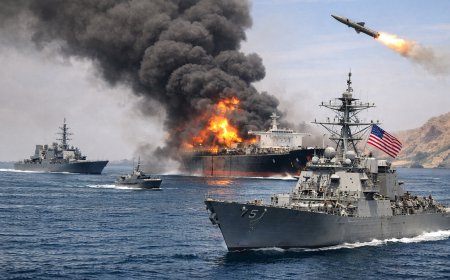
Meanwhile, security concerns have intensified around key maritime routes in the Gulf region. The Strait of Hormuz, one of the world's most important energy corridors, remains under close monitoring as global markets watch developments that could impact international oil supplies and trade routes.
Defense analysts believe the Pentagon’s latest remarks are intended to send a strong deterrent message while maintaining pressure on Iran during the negotiation process. The U.S. administration has repeatedly stated that it prefers a diplomatic resolution but will not hesitate to protect its interests and regional allies if security threats increase.
The renewed warning highlights the delicate balance between diplomacy and military preparedness as tensions continue to shape the geopolitical landscape of the Middle East. With regional stability hanging in the balance, the coming weeks are expected to play a crucial role in determining whether negotiations move forward or the conflict enters a new phase.
Key Highlights:
-
Pentagon signals readiness for a strong response to Iranian threats.
-
Diplomatic negotiations remain ongoing but face significant challenges.
-
Nuclear concerns continue to dominate U.S.-Iran discussions.
-
Global attention remains focused on the security of the Strait of Hormuz.
-
Regional tensions could influence energy markets and international security.
As diplomatic efforts continue, global leaders are closely monitoring developments that could reshape the future of Middle East security and international relations.
Based on current statements from U.S. Defense Secretary Pete Hegseth and ongoing diplomatic discussions.
What's Your Reaction?
 Like
0
Like
0
 Dislike
0
Dislike
0
 Love
0
Love
0
 Funny
0
Funny
0
 Angry
0
Angry
0
 Sad
0
Sad
0
 Wow
0
Wow
0