




























Fresh US Tariff Threat Casts Shadow Over India-US Trade Deal Talks
Fresh USTR tariffs may impact the India-US trade deal as Section 301 investigations raise concerns over trade practices and exports.

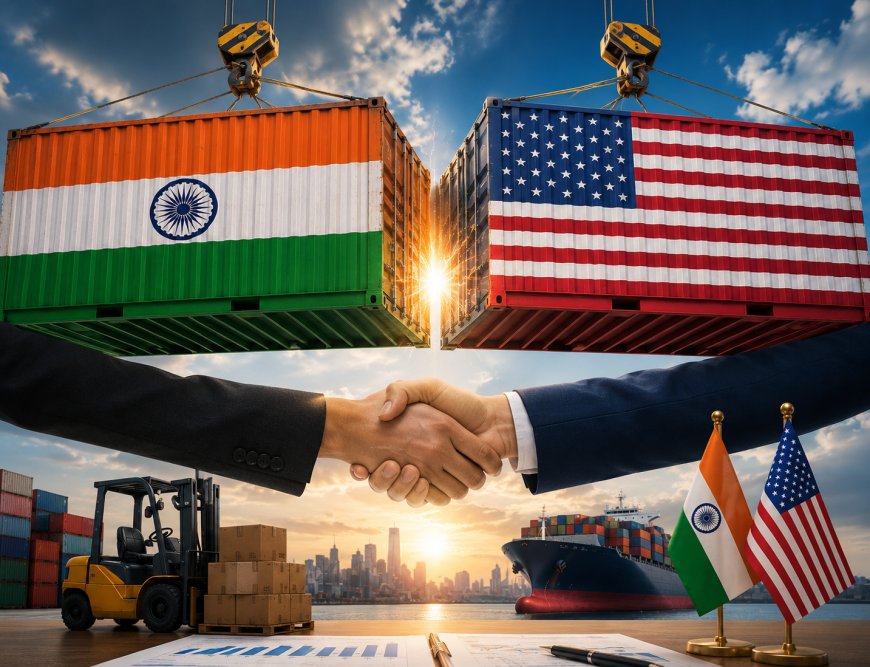


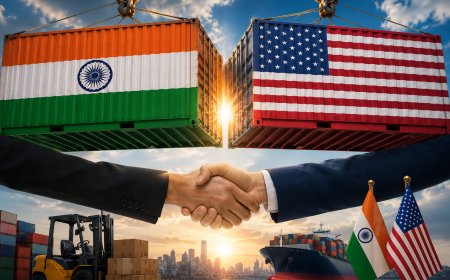
While India and the United States may have been moving towards establishing a major India-US trade deal, a fresh tariff proposal from Washington has added new uncertainty to the ongoing negotiations.
According to reports, India has been included among a group of countries named in the latest Section 301 investigations conducted by the Office of the United States Trade Representative (USTR). The investigation alleges unfair trade practices related to the enforcement of restrictions on goods produced through forced labor. Based on these USTR findings, the US has proposed additional import duties that could range from 10% to 12.5% on certain Indian exports entering the American market.
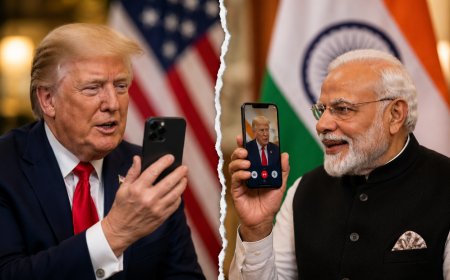
The timing of the announcement is particularly significant. Senior trade officials from both countries are currently engaged in discussions aimed at reaching an interim bilateral trade agreement that could strengthen economic cooperation and expand trade opportunities. However, the proposed USTR tariffs have raised concerns that progress toward the broader India-US trade deal could become more complicated.
Under Section 301 of the United States Trade Act, American authorities are empowered to investigate foreign trade practices that they believe are discriminatory or harmful to US commercial interests. Following its review, the USTR concluded that several countries, including India, had not taken sufficient measures to prevent products linked to forced labor from entering global supply chains. As a result of these USTR findings, additional tariffs have been proposed against affected nations.
For India, the development comes at a sensitive time. The country has been actively seeking improved market access for key sectors such as pharmaceuticals, engineering goods, textiles, and agriculture. The proposed USTR tariffs could make Indian products less competitive in one of their most important export markets, creating fresh challenges for manufacturers and exporters.
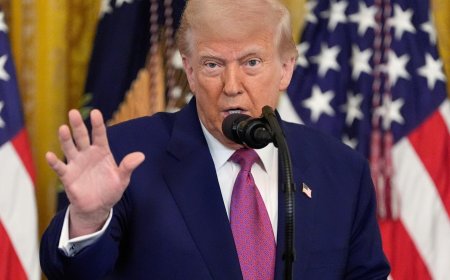
Trade experts believe the move could also be part of Washington’s broader strategy to gain leverage in ongoing negotiations. The Trump administration has frequently used tariffs as a negotiating tool to encourage policy changes among trading partners, and Section 301 investigations have become a key mechanism in that approach.
Despite growing concerns, industry observers note that the proposed tariffs have not yet been finalized. The US government has opened a public consultation process, and further hearings are expected before any final decision is reached. This leaves room for negotiations and potential modifications to the proposed measures.
Businesses and investors on both sides will be closely monitoring the outcome of the talks. A successful bilateral trade agreement could help reduce uncertainty, improve market access, and strengthen economic ties between the two nations. However, if disagreements over tariffs continue to escalate, they could slow the momentum behind the much-anticipated India-US trade deal.
As negotiations continue in New Delhi, one key question remains: can the world’s two largest democracies finalize a mutually beneficial India-US trade deal before the proposed USTR tariffs transform cooperation into conflict?
The answer may shape the future of economic relations between India and the United States for years to come.
What's Your Reaction?
 Like
0
Like
0
 Dislike
0
Dislike
0
 Love
0
Love
0
 Funny
0
Funny
0
 Angry
0
Angry
0
 Sad
0
Sad
0
 Wow
0
Wow
0