
























Economic Defense Mode: Modi’s Budget Signals Strong Reply to Trump
PM Modi's budget plan called for more money to be spent on infrastructure and an 18% increase in defense spending to protect India from the threats posed by both China and Pakistan.

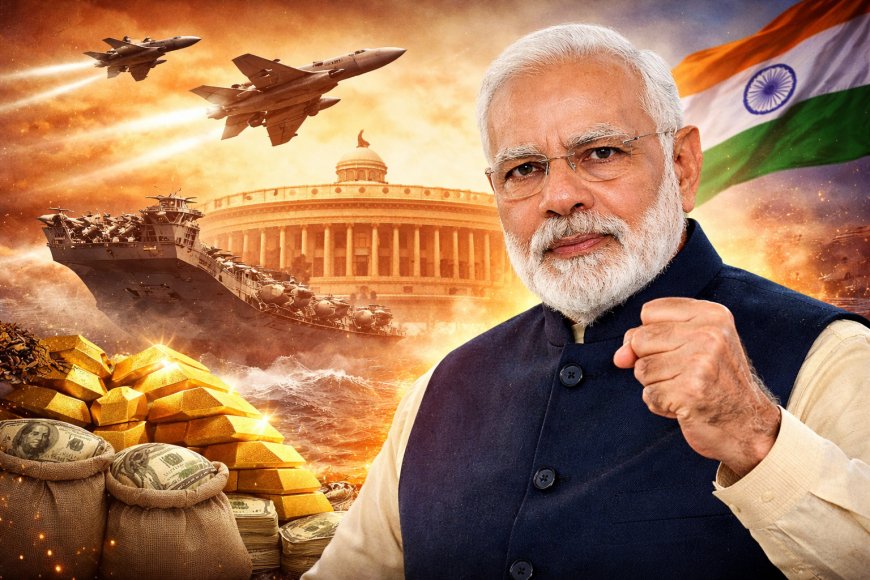


The plan that Prime Minister Narendra Modi has to protect India's economy from Donald Trump's tariffs is becoming clearer.
India's plan for living in a new world order ruled by the US president was most recently revealed on Sunday in an annual budget announcement. The budget included a lot of support for exporters hurt by US tariffs, as well as new support for important sectors like semiconductors, rare earths, and critical minerals.
PM Modi's spending plan promised new money for infrastructure and an 18% increase in defense spending, which would help protect India from the threats posed by China and Pakistan.
Even though there were those suggestions, PM Modi's government mostly stuck to its debt goals and kept spending in check. The budget didn't include the big tax cuts that were part of last year's plan, and it also didn't include any new big spending plans. This is because PM Modi's party will have to fight hard to win elections in important states this year.Ashok Malik, a partner at The Asia Group, a business consulting firm in New Delhi, said, "This is a holding operation for the Indian economy this year." "It's meant to protect India while keeping an eye on global problems."
After the budget announcement, shares fell sharply. Investors said this was because of a tax increase on stock market transactions to stop speculation, not because they were unhappy with the new spending plan as a whole. The government also plans to borrow more money in the next fiscal year than the market thought it would. This will probably put pressure on the bond market on Monday.
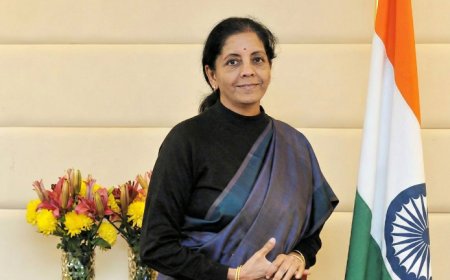
India's Finance Minister Nirmala Sitharaman said on Sunday, before her 90-minute budget speech to parliament, that the country was facing "an external environment in which trade and multilateralism are imperiled and access to resources and supply chains are disrupted."
She said that India should "stay deeply integrated with global markets, export more, and attract stable long-term investment" in the face of those threats.
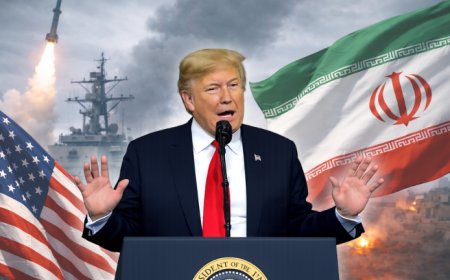
The budget didn't say so directly, but it was clear that it was meant to deal with new problems caused by the Trump administration. The 50% tariff that has been in place since August is the most important one. It is meant to punish India for buying Russian oil. The duties, which came from India's biggest trading partner, have hurt industries that need a lot of workers, like textiles and furniture.
In response to the fallout, PM Modi has made the economy more self-sufficient to protect it from future crises. He lowered consumption taxes last year to encourage people to spend more, changed the rules for hiring and firing workers to make it easier for businesses to do so, and let investors into the nuclear and financial sectors.Madhavi Arora, an economist with Emkay Global Financial Services Ltd., said, "The policy focus is still on making factors of production more productive, deregulating, and making it easier to do business in different sectors." "The reformist agenda goes on."
PM Modi's second strategy has been to strengthen trade ties to counter the threat from the US. India and the European Union announced last week that they had finished a free-trade agreement after almost twenty years of talks. This means that exporters on both sides will not have to pay Trump's tariffs for a while. India also made trade deals with New Zealand and the UK last year.
Being self-sufficient
The budget for Sunday also included new efforts to make people more self-sufficient in key areas. For example, there were new funds to increase the production of semiconductors and pharmaceuticals, as well as a program to help eastern and southern states with a lot of minerals build mining, processing, and manufacturing of rare earth minerals.
Anish Shah, the CEO of Mahindra Group, said that the initiatives "look to the future and are necessary for a strong industrial ecosystem that can thrive in uncertain times."
We don't know if the government's careful budget will be enough to support growth and create the millions of jobs the economy needs every year for its young people. The government thinks the economy will grow by 6.8% to 7.2% in the next fiscal year, but the market thinks it will only grow by 6.6%.
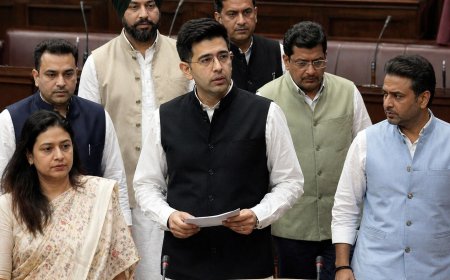
Opposition leaders were quick to say that the government's spending plan was weak and didn't address the real economic problems of high youth unemployment and low household savings.
What's Your Reaction?
 Like
0
Like
0
 Dislike
0
Dislike
0
 Love
0
Love
0
 Funny
0
Funny
0
 Angry
0
Angry
0
 Sad
0
Sad
0
 Wow
0
Wow
0