















EPF Withdrawal Rules 2026: What’s New and Why It Matters for Employees
The provident fund system is slowly becoming easier to use after years of problems, rejections, and employers following up. But it still depends on one thing: your data.

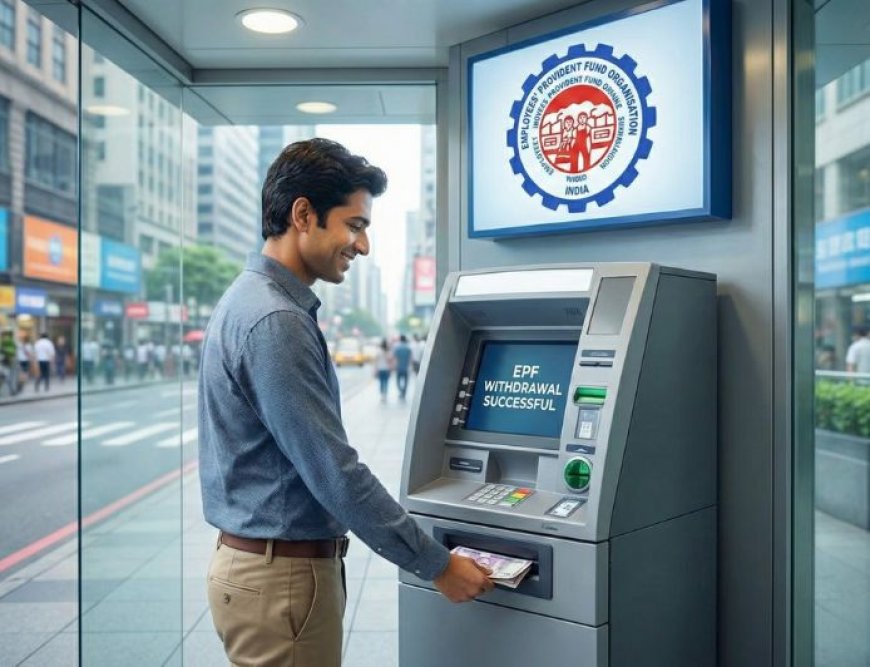

You probably remember how it felt to try to take money out of your EPF account. You filled out the form. You waited. After that, you waited again. And after a few weeks, you found out that your claim had been turned down because your name had one extra initial or your bank account wasn't "properly mapped."
The EPF system was slow for a long time. It was hard to tell what would happen. Two people in the same situation could end up with very different results.
That experience is starting to change in 2026.
The EPFO has quietly fixed some of the plumbing behind the scenes. As a result, a lot of employees can now withdraw money online much more easily.
What is really different now
The biggest change is that the system checks your information before it accepts your claim, not weeks later.
The portal now tells you right away if your Aadhaar name doesn't match your EPF record or your bank account isn't verified. Before, you could only find this out after your claim had been in limbo for a while.
Aadhaar, PAN, bank databases, and EPFO records also work together much better now. If your KYC is already clean and consistent, the claim often goes through without any help from a person.
A lot of partial withdrawal claims are now being settled automatically. That means that no clerk needs to approve them by hand. The system clears it on its own, usually within a few business days, if you meet the requirements and your paperwork is in order.
The rules haven't changed much, but the experience has.
You still can't use EPF like a savings account. The old rules still apply.
If you haven't worked in a month, you can take out up to 75% of your balance. You can take out the whole amount after two months. You can take out part of your money for things like medical care, buying or building a house, going to school, or getting married.
What has changed is how well these requests now get through the system.
Even a real claim could get stuck for no clear reason in the past. You usually know right away if something is wrong now.
Why people are still being turned down
Even with all the changes, people still get turned down.
Most of them still happen for boring reasons: name mismatches, bank accounts that are no longer active, missing PAN information, or old employer records that were never cleaned up.
A lot of people think that fixing KYC in one place fixes everything. It doesn't. The system just won't work if your Aadhaar, bank, and EPFO all say different things.
The difference is that it now says no right away instead of wasting your time first.
EPF is slowly getting easier to use.
Because of all this, there is a small change happening. People are beginning to think of EPF as more than just money they can't touch until they retire. They also see it as a safety net in case of real emergencies. When withdrawals happen in a predictable and reasonable amount of time, people act differently.
That doesn't mean you should use it without thinking. Every time you take money out early, it hurts long-term compounding. But it's nice to know that the money is really there in case of a medical emergency or a sudden job loss.
The one thing you should do before you ever need the cash
Don't wait for a problem to find out that your records are a mess.
Once, log in to the EPFO site. Make sure that Aadhaar, PAN, and your bank account are all marked as verified. Make sure that your name and date of birth are spelled the same way everywhere. Check that your UAN is connected to your current phone number.
This work is dull. But in 2026, this boring work will make the difference between getting your money in a week and spending three months looking for help.
What's Your Reaction?
 Like
0
Like
0
 Dislike
0
Dislike
0
 Love
0
Love
0
 Funny
0
Funny
0
 Angry
0
Angry
0
 Sad
0
Sad
0
 Wow
0
Wow
0