





































The Hidden Dangers of Winter Heart Risk for Young Adults That You Shouldn't Ignore
Winter can silently increase heart risks even for young adults. Cold weather, reduced physical activity, unhealthy eating habits, and unnoticed stress can strain the heart. Understanding these hidden dangers early helps prevent serious cardiac issues, encourages timely lifestyle changes, and protects long-term heart health.

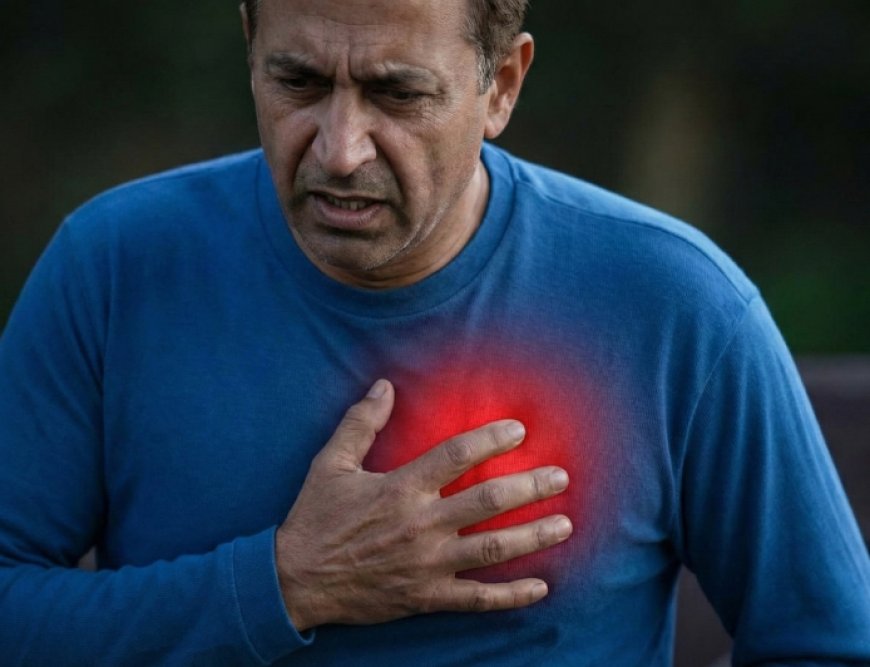


People often think of winter as a time of comfort, with warm drinks, slow mornings, cozy blankets, big meals, and fewer plans to go outside. But even in young adults who think they are fit and healthy, the colder months put more stress on the heart. Winter is a perfect storm for ignoring small signs and missing big ones. This can cause a lot of problems, from narrowed vessels to broken routines and more.
Winter pushes your heart without warning.
“Winter puts a certain kind of stress on the heart, even in young adults who think they are otherwise healthy. Cold air makes blood vessels smaller, raises blood pressure, and makes the heart work harder with every activity, even something as simple as walking quickly to the car. When you don't drink enough water, don't sleep enough, or do a lot of hard exercise all of a sudden, your heart is pushed beyond its comfort zone without warning. I often tell younger patients that they should never ignore chest tightness, shortness of breath, or unexplained fatigue just because they are "too young" for heart problems. In this season, you need to take a little more care of yourself. Make sure you drink enough water, warm up slowly before working out, and don't go too long between meals. These little things make winter stress a lot less. Dr. N. Dhananjaneya Reddy, a consultant in interventional cardiology at Arete Hospitals, says, "If someone has a family history of heart disease, winter is the best time to get a basic check-up instead of waiting for symptoms to show up."
Shoulder pain or jaw pain can also be signs of heart risk.
"We usually think of older people when we hear about heart problems in the winter, but the data shows otherwise. Young adults today face many hidden dangers, such as stress, irregular sleep, smoking, too much caffeine, and too much sitting. When you add winter physiology to the mix, the risk goes up a lot. When it's cold outside, your sympathetic nervous system works harder, which makes your heart beat faster and your blood pressure rise even when you're not doing anything. If someone is already living on the edge of metabolic health, this can cause rhythm problems or even small vessel spasms that feel like a heart attack. What worries me most is that people tend to ignore symptoms that seem mild, like jaw pain, shoulder heaviness, or sudden dizziness. These are all early signs. Even short episodes are important, especially after working out or being in the cold. Don't push yourself too hard in the winter. Dr. Johann Christopher, a consultant in interventional cardiology at CARE Hospitals in Banjara Hills, Hyderabad, says, "It's the season to respect them."
Winter can throw off the rhythm of your heart.
"Young adults often don't realize how easily the heart can be affected by changes in temperature." Cold mornings, missing breakfast, and sudden, intense workouts can all be bad for the heart. Winter throws off the heart's rhythm, which it likes. This time of year, I see more young people coming in with chest pain, palpitations, or high blood pressure. It's not because they have a serious illness; it's because their lifestyle and the weather are pulling them in different directions. One piece of advice I would give is to pay attention to your body early on. Take it easy during your warm-up, drink plenty of water even if you don't feel thirsty, and stay away from extremes like fasting, heavy lifting, or too much caffeine. "Winter doesn't have to be dangerous if we understand how it affects the body, especially for people who are stressed, work long hours, and don't get enough sleep," says Dr. PRLN Prasad, a consultant interventional cardiologist at Gleneagles BGS Hospital in Kengeri, Bengaluru.
The biggest risk of winter heart risk isn't a dramatic collapse; it's being too comfortable. Signs like tiredness, jaw pain, heart palpitations, or shortness of breath are the body's early warning signs, not things to ignore. Experts say that winter is not the time to push your body to its limits or ignore warning signs. Small changes, staying hydrated, sticking to a routine, warming up, and getting regular check-ups can all help keep the heart healthy and stop the stress of one season from causing long-term damage. Sometimes, listening early is what stops problems from getting worse.
What's Your Reaction?
 Like
0
Like
0
 Dislike
0
Dislike
0
 Love
0
Love
0
 Funny
0
Funny
0
 Angry
0
Angry
0
 Sad
0
Sad
0
 Wow
0
Wow
0