



































2026 Retirement Age Changes Guide for Salaried & Self-Employed
Complete 2026 retirement age changes guide explaining the impact on salaried and self-employed workers. Know new rules, eligibility, benefits, and future planning insights.

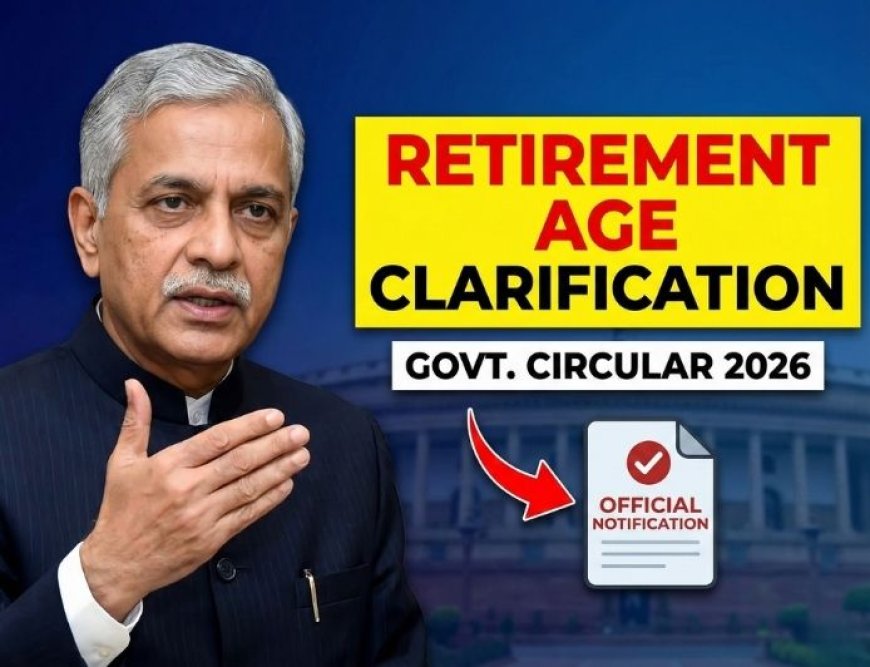


Update on the 2026 retirement age: The official retirement age will be raised in 2026, marking a new era for the Indian workforce. Millions of workers will now be able to work longer, make more money, and save more for retirement. This change is good for a lot of people, but it also makes it harder to plan finances, stay healthy, and move up in your career. To get the most out of longer working years, both current and future employees need to understand these updates.
The official retirement age has gone up.
The government has changed the standard retirement age for some groups from 60–62 years to 65 years. This choice is based on longer life expectancy and is meant to keep experienced workers around longer. Employees can now keep using their skills and knowledge, which is good for businesses and the economy. But this change also means that workers need to rethink their retirement goals, career plans, and personal priorities in order to make the most of longer careers.
Longer careers increase the chances of making more money.
Employees can make more money before they retire if they stay on the job longer. These extra earnings can help you save more, meet your family's needs, or make investments. Longer careers also give you more chances to get promoted and grow professionally. Even though the financial benefits are big, workers need to find a balance between their work and personal lives and health in order to stay productive and avoid burnout over a long career.
Needs for planning for retirement Revision
Updated financial planning is needed for longer working years. Contributions to pensions and investments in provident funds can grow even more, which means more money for retirement. Employees should also look over their insurance policies, tax plans, and investment goals again. With the right planning, you can get the most out of longer careers without putting too much stress on your finances. Workers can make smart choices about saving and withdrawing money and make sure their retirement goals are in line with the new timeline by talking to financial experts.
Effects on Young Professionals
The longer retirement age may make it take longer for younger workers to get promoted. If senior staff members stay in their jobs for a long time, it could make it harder for new employees to move up. The good news is that younger professionals can learn from more experienced mentors, which can help them improve their skills and knowledge of the workplace. To make sure that new employees can move up in their careers while managing an older, more experienced workforce, companies are likely to use succession planning strategies.
Health and Balance Between Work and Life
Working longer makes it even more important to stay healthy and deal with stress. Older workers should put their health, fitness, and a balanced lifestyle first. Employers should help their employees by offering wellness programs, flexible hours, and ergonomic workspaces. For long-term satisfaction and productivity, it's important to keep a work-life balance. This will help employees stay effective and engaged throughout their careers.
Update on Pension and Retirement Benefits
Longer careers have an effect on pension plans and retirement benefits. Workers may get bigger provident fund payouts and higher monthly pensions. But they need to keep up with new rules about contributions, eligibility, and policies. Knowing about these changes will help workers get the most out of longer service periods and make smart choices about when to retire and how to plan their finances.
Organizational Plans for Long-Term Careers
Companies will need to change their policies, plans for who will take over when someone leaves, and how they manage their employees to make room for older workers. Reskilling programs and mentoring programs are supposed to help older workers fit in while also helping younger workers grow. Companies need to find a balance between keeping experienced workers and giving them chances to move up in their careers. This way, long careers are good for both the company and the employees.
What's Your Reaction?
 Like
0
Like
0
 Dislike
0
Dislike
0
 Love
0
Love
0
 Funny
0
Funny
0
 Angry
0
Angry
0
 Sad
0
Sad
0
 Wow
0
Wow
0