
























Big Setback for Women in Politics: India's Reservation Bill Fails to Pass
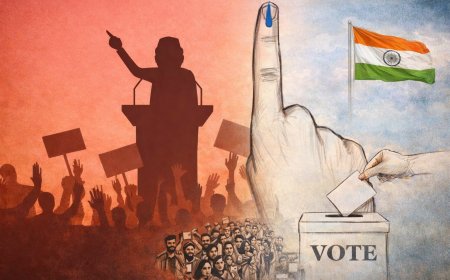
India's Women's Quota Bill fails in Lok Sabha amid delimitation row. Here's what happened and what it means for women's representation.

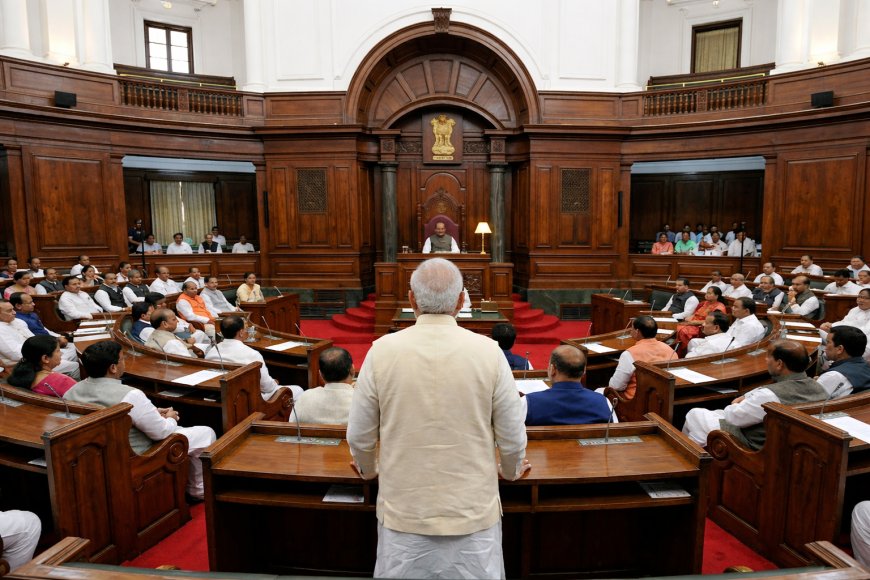


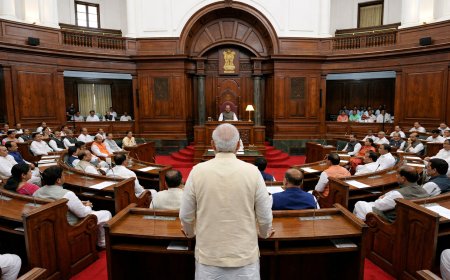
The proposed Constitution (131st Amendment) Bill, 2026, sought to set aside 33% of seats in the Lok Sabha and state legislatures for women. However, the Bharatiya Janata Party government did not merely seek passage of this amendment but rather linked it to a larger and highly contentious proposal—delimitation. This became the death knell for the bill.
Why did it fail?
As per Article 16 of the Constitution, the bill required a two-thirds majority vote in the Lok Sabha; however, considering that the BJP-led alliance lacked such a majority in the Lok Sabha, it was unable to meet the required number. The numbers at the end of the debate showed 298 MPs supporting the bill, while 230 rejected it. The unified opposition voted against the bill. Two other associated bills—one on increasing the number of members of the Lok Sabha from 543 to 816—were withdrawn.
What is delimitation, and why does it matter?
"Delimitation" refers to the process of reshaping constituencies for parliament on the basis of population numbers. The states located in the south, such as Tamil Nadu and Kerala, perceive that delimitation will lead to reduction of their influence because their populations have been growing slower compared to those states located in the north, where the Bharatiya Janata Party reigns supreme.
What did the government say?
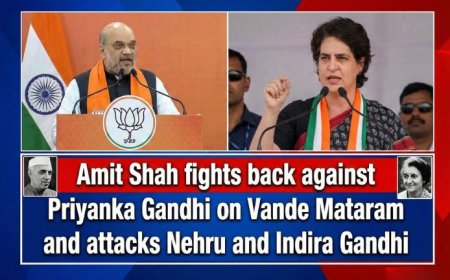
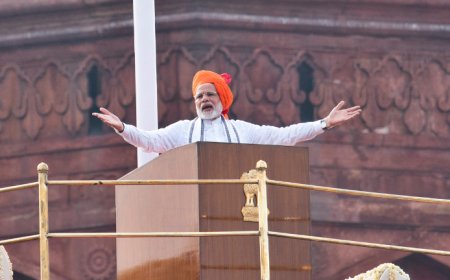
Narendra Modi, who is currently the prime minister of the country, directly appealed to the members of Parliament, asking them to pass the bill as it was in the best interests of the nation rather than being purely political. The Home Minister, Amit Shah, guaranteed the southern states that the presence of their representatives would either stay the same or increase after the expansion of seats.
What did the opposition say?
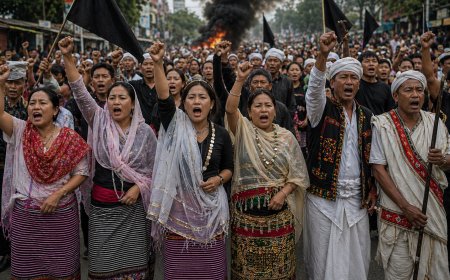
Rahul Gandhi, the leader of the opposition, felt that the bill did not have anything to do with women's empowerment but was rather a scheme to change the demarcations of electoral boundaries in favor of the ruling party. According to him, the opposition could support the 2023 Women's Reservation Bill, provided that the government did implement the bill without making any connection to delimitation. For her part, Priyanka Gandhi of the Congress described the coupling of both issues as a marriage of convenience. The members of the DMK Party wore black clothes to express their discontent in parliament, and the chief minister of Tamil Nadu, MK Stalin, burnt the bill outside the parliament premises.
So what happens to women's reservations now?
The women's reservation bill had been passed unanimously back in 2023 itself, but its implementation had been delayed to 2029 owing to the fact that certain elections were pending. This new bill was supposed to hasten the process; however, being defeated now, the bill of 2023 is the only operational one in existence now, with its implementation deferred for several years ahead. Significantly, this was the first time that any amendment introduced by the Modi government failed in Parliament in 12 long years.
What's Your Reaction?
 Like
0
Like
0
 Dislike
0
Dislike
0
 Love
0
Love
0
 Funny
0
Funny
0
 Angry
0
Angry
0
 Sad
0
Sad
0
 Wow
0
Wow
0